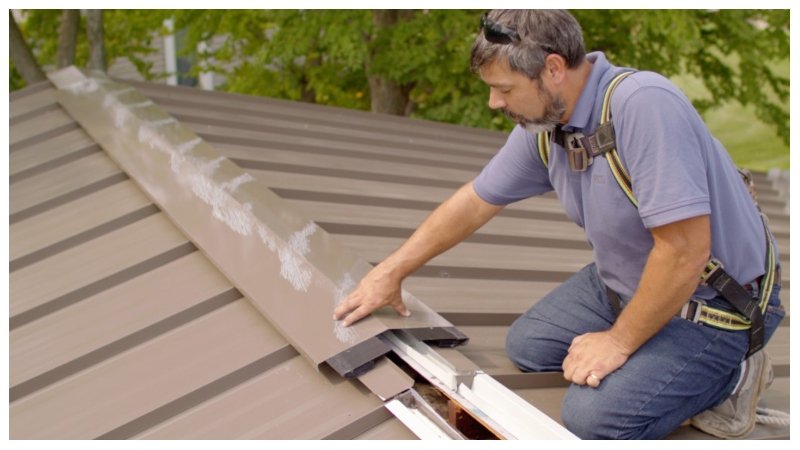
Roofing is one of those things most homeowners ignore until a puddle appears on the kitchen floor. We tend to focus on the big stuff, like missing shingles or fallen branches, after a heavy storm. However, the smallest culprits often cause the most chaos. If you are looking for roof repair farmington services lately, you might have heard a tecFarmingtonntion exposed fastener holes. These tiny gaps look harmless to the naked eye, but they are an open invitation for structural rot and expensive repairs down the road.
The Anatomy of an Exposed Hole
Most metal roofs or shingle systems rely on thousands of screws or nails to stay attached to your house. In a perfect world, every single one of those fasteners stays seated deep within the wood or under a protective layer. But life happens. Sometimes a screw backs out due to the constant expansion and contraction of the roof materials. Other times, a previous repair or a DIY satellite dish installation leaves a hole behind when the hardware is removed.
While it looks like a pinprick, that hole is a direct highway to your attic. Because the hole is usually perfectly vertical, gravity does the rest of the work. Rainwater does not just sit on top of it. It gets sucked in.
The Silent Threat of Capillary Action
Water has a sneaky property called capillary action. This means it can travel upward or sideways through tight spaces. When rain hits an exposed fastener hole, it does not just fall straight down. It spreads out once it hits the underlayment and the wooden decking.
This is where the “hidden” part of the damage starts. You might not see a leak on your ceiling for months. Meanwhile, the plywood underneath your shingles is soaking up that moisture like a sponge. This leads to delamination, where the layers of wood begin to separate and lose their structural integrity. By the time you notice a soft spot when walking on the roof, the wood is likely already compromised beyond a simple patch.
Mold and Mildew in the Dark
Darkness and moisture are the two best friends of mold. Your attic is the perfect breeding ground. When water enters through a fastener hole, it creates a damp environment that is shielded from the sun. Mold can begin to grow on your rafters and insulation within 24 to 48 hours of a leak.
The scary part is that this often happens in the corners of the attic or behind insulation batts, where you never look. If you start noticing a musty smell in your upper floors, or if your allergies seem to flare up every time the air conditioner kicks on, those tiny holes might be the source of a growing biological colony inside your walls.
Rust and Corrosion from the Inside Out
If you have a metal roof, you might think you are safe from rot, but exposed holes bring a different set of problems. When a fastener is missing or loose, water gets trapped between the metal panel and the roof deck. This creates a “sandwich” of moisture that never dries out.
Even galvanized steel will eventually succumb to rust if it stays wet long enough. This rust eats away at the underside of the panel. Since you only see the top of your roof, the exterior might look pristine while the bottom is slowly disintegrating. This leads to a loss of wind resistance, making your roof much more likely to peel back during a high wind event.
Why Visual Inspections Fail
Most people think they can spot a roof problem from the driveway. Unfortunately, an exposed fastener hole is roughly the size of a pencil lead. From thirty feet away, it is invisible. Even if you get up on a ladder, these holes are often hidden in the shadows of shingle tabs or tucked under the edge of flashing.
Professional roofers use specific techniques to find these. They look for “shiners,” which are the tips of nails that missed the rafter and are now rusting in the attic. They also look for rust streaks on the roof surface or tiny circles of distorted granules on shingles. These are the footprints of a leak that hasn’t quite made it to your drywall yet.
Final Word
Ignoring a tiny hole today is the easiest way to guarantee a massive bill next year. It is much cheaper to seal a few punctures than it is to replace entire sheets of rotted plywood or remediate a mold infestation. Getting a professional roof repair farmington inspection is the only way to catch these silent killers before they compromise your home’s safety. Take the time to look closely at your roof today because the smallest gaps often lead to the biggest headaches.