Studies reveal that up to 10% of American homes have leaks that waste 90 gallons or more a day. This not only inflates water bills but also contributes to significant environmental waste. Regular maintenance by a plumber can mitigate these issues, ensuring that your plumbing system operates efficiently.
In this article, we’ll explore how routine plumbing checks, professional roles, key maintenance practices, and warning signs of plumbing issues are vital for enhancing the efficiency of home plumbing systems.
Understanding How Routine Plumbing Checks Enhance Your System
Routine plumbing checks are vital for identifying leaks, clogs, and other underlying issues before they become significant problems. A simple annual inspection can reduce potential damage to pipes by 20-25%, extending the lifespan of your entire plumbing system. Notably, this proactive approach can save homeowners both time and money in the long run.
Inspections often uncover hidden issues like slow leaks, which can cause water damage if left unaddressed. According to the EPA, fixing easily corrected household leaks can save homeowners about 10% on water bills. Furthermore, such regular checks can assure homeowners of their system’s compliance with local plumbing codes and safety standards.
Effective homeowners schedule these checks annually or biannually depending on the age and condition of their system. Partnering with a professional ensures that each component, from faucets to sewer lines, is thoroughly examined. Implementing these regular checks helps maintain a dependable, efficient plumbing system throughout the year.
plumber
The Role of Professional Plumbers in Maintaining Efficiency
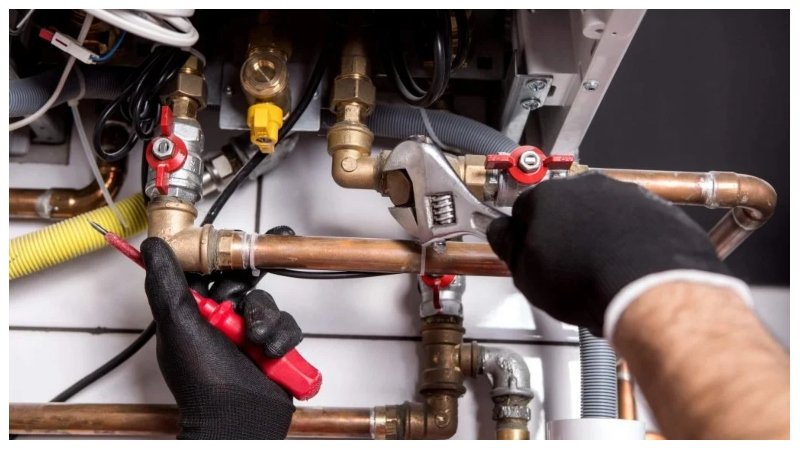
Professional plumbers play an indispensable role in maintaining the efficiency of home plumbing systems. They possess the expertise to identify inefficiencies and suggest solutions that significantly reduce household water consumption. By employing state-of-the-art equipment, plumbers can precisely detect and resolve issues that laypersons might miss.
These professionals are trained to handle a range of plumbing tasks, from simple fixes to intricate installations. Their skill set ensures that repairs and setups adhere to industry standards, minimizing future problems. Additionally, modern plumbers utilize advanced plumbing technologies to optimize energy use, saving homeowners on utility costs.
Homeowners should engage with certified plumbers for regular servicing to maintain a home’s plumbing efficiency. Building a strong relationship with a trusted professional ensures timely advice and rapid response during emergencies, safeguarding the integrity of the plumbing system.
Key Maintenance Practices for Optimizing Home Plumbing
Implementing crucial maintenance practices can significantly boost the efficiency of your home plumbing system. For instance, regularly inspecting and replacing old or worn-out fittings can prevent leaks and ensure smooth water flow. These preventive measures are vital for maintaining robust plumbing infrastructure.
Cleaning fixtures, such as showerheads and faucets, is another essential practice. Many homeowners overlook the buildup of mineral deposits that can restrict water flow. Ensuring such elements are free from obstruction can improve water efficiency by up to 30% in some cases, enhancing overall performance.
Employ simple tasks like insulating pipes to prevent heat loss and repairing dripping faucets, which alone can save over 500 gallons per year. Emphasizing regular maintenance protects against unexpected high costs and keeps your plumbing system functioning at optimal levels.
Signs Your Home Plumbing System Needs Immediate Attention
Identifying signs of potential plumbing issues is crucial for preventing costly repairs. Unusual noises, such as banging or gurgling, from pipes typically indicate air buildup or blockage concerns. Addressing these early can avert more severe problems like pipe bursts.
Moreover, experiencing a sudden spike in water bills should prompt an immediate investigation. Frequently, hidden leaks or inefficiencies lead to unexpected expenses. Noticing these signs and promptly consulting a professional can save homeowners up to 30% in avoided repair costs.
Routine monitoring of water pressure is also recommended. Low pressure may signal blockages, while high pressure can damage pipes. Regular testing and professional advice ensure pressure levels remain balanced for efficient system performance. Learn more about home plumbing safety measures to safeguard your property.
Ultimately, staying vigilant about regular maintenance checks and recognizing early warning signs are essential steps towards a reliable and efficient plumbing system. Consistent attention to these areas leads to reduced water waste and extended lifespan of the plumbing infrastructure, ensuring peace of mind for homeowners.