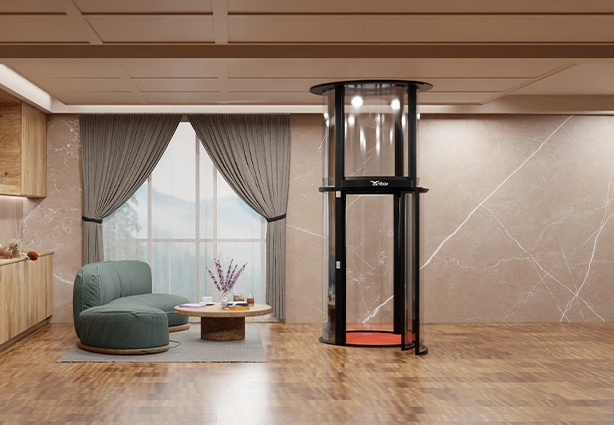
Adding a residential elevator is no longer considered a luxury reserved only for large estates. Today, homeowners across the United States are investing in home elevators for accessibility, convenience, safety, and long-term property value. Whether you are planning for aging in place, improving mobility, or simply upgrading your home, choosing the right residential elevator requires careful consideration. Many homeowners researching accessibility upgrades begin by exploring providers like CHS Elevators to better understand modern installation options and home elevator designs.
With multiple elevator types, design options, safety features, and installation requirements available, homeowners can easily feel overwhelmed during the selection process. Understanding the most important factors before making a decision can help you choose an elevator system that matches your needs, budget, and home layout.
This guide explains practical tips for choosing residential elevators while helping you avoid common mistakes during the planning and installation process.
Understand Why You Need a Residential Elevator
Before comparing elevator models, determine the main reason for installing one. Different households have different priorities, and your purpose will influence the type of system you should choose.
Common reasons include:
- Improved mobility for seniors
- Accessibility for wheelchair users
- Convenience for multi-story homes
- Increased property value
- Easier transportation of groceries and heavy items
- Future-proofing for aging in place
For example, a homeowner focused on accessibility may prioritize spacious cabins and smooth operation, while someone upgrading a luxury property may care more about aesthetics and customization.
Understanding your goals first will simplify the entire decision-making process.
Evaluate Your Home’s Space Requirements
One of the biggest considerations when choosing a residential elevator is available space. Some elevator systems require machine rooms and shafts, while others are designed specifically for compact homes.
A professional home assessment is usually necessary to determine:
- Available floor space
- Ceiling height
- Structural support
- Electrical requirements
- Placement options
- Number of floors served
Modern residential elevators come in several compact designs that work well in existing homes with limited space.
Learn the Different Types of Residential Elevators
Not all home elevators operate the same way. Understanding the major elevator types can help you choose the best option for your household.
Hydraulic Elevators
Hydraulic systems use fluid pressure to move the elevator cab. These elevators are known for smooth performance and high weight capacity.
Advantages:
- Smooth ride quality
- Reliable lifting power
- Quiet operation
Considerations:
- Requires machine room space
- Higher maintenance compared to some alternatives
Pneumatic Vacuum Elevators
Vacuum elevators operate using air pressure differences. They are popular in modern homes because of their sleek appearance and compact installation needs.
Advantages:
- Space-saving design
- Minimal construction required
- Energy efficient
Considerations:
- Limited cabin size
- Lower weight capacity
Cable-Driven Elevators
Cable systems function similarly to commercial elevators and are commonly installed in larger homes.
Advantages:
- Traditional elevator feel
- Suitable for multiple floors
- Strong lifting capability
Considerations:
- Requires more structural space
- May involve more maintenance
Shaftless Elevators
These elevators are ideal for homes with limited room and usually travel between two floors.
Advantages:
- Compact footprint
- Faster installation
- Lower renovation costs
Considerations:
- Limited travel distance
- Smaller cabin space
Each system has unique installation requirements, so professional guidance is important before finalizing your decision.
Prioritize Safety Features
Safety should always be a top priority when selecting a residential elevator. Modern systems include advanced safety technology designed to protect users of all ages.
Important safety features include:
- Emergency stop buttons
- Battery backup systems
- Door interlocks
- Emergency communication systems
- Automatic lowering during power outages
- Overload sensors
- Smooth start-and-stop technology
If elderly family members or individuals with mobility challenges will use the elevator frequently, additional accessibility features may also be necessary.
Reliable installation companies will explain all available safety options and ensure local code compliance before installation begins.
Consider Long-Term Accessibility Needs
Many homeowners initially install elevators for convenience but later realize their value for long-term accessibility. Choosing an elevator that can accommodate future mobility changes is a smart investment.
Questions to ask yourself include:
- Will wheelchair accessibility be needed later?
- Is the cabin large enough for walkers or medical equipment?
- Are controls easy to operate?
- Can the system support aging-in-place goals?
Planning ahead may prevent expensive upgrades later.
Check Weight Capacity and Cab Size
Residential elevators vary significantly in weight capacity and cabin dimensions. A system that works for one household may not be practical for another.
Standard considerations include:
- Number of regular users
- Wheelchair accessibility
- Transporting furniture or heavy objects
- Future household needs
Smaller elevators may reduce installation costs, but they can also limit functionality over time. Choosing a slightly larger cabin often improves long-term usability.
Review Energy Efficiency
Energy efficiency has become increasingly important for homeowners seeking sustainable upgrades. Some residential elevators consume far less power than others.
Features that improve efficiency include:
- LED lighting
- Standby sleep modes
- Energy-efficient motors
- Counterweight systems
- Pneumatic operation technology
Efficient systems may reduce operating costs over the lifespan of the elevator while minimizing environmental impact.
Focus on Design and Aesthetics
Modern home elevators are available in many styles and finishes that complement residential interiors. Since the elevator becomes part of your home’s visual design, appearance matters.
Popular customization options include:
- Glass panels
- Hardwood interiors
- Stainless steel finishes
- Decorative lighting
- Custom flooring
- Automatic doors
Some homeowners prefer elevators that blend seamlessly with their décor, while others choose bold modern designs that become a focal point.
The right balance between functionality and aesthetics can significantly enhance the overall appeal of your home.
Understand Installation Requirements
Residential elevator installation often involves structural modifications. Understanding the process ahead of time helps avoid unexpected delays or expenses.
Installation factors may include:
- Building permits
- Structural reinforcement
- Electrical upgrades
- Floor modifications
- Construction timelines
- Inspection requirements
Working with experienced installers helps ensure proper planning and code compliance from the beginning.
Installation complexity may vary depending on whether the elevator is added during new construction or retrofitted into an existing property.
Compare Maintenance Requirements
Like any mechanical system, home elevators require regular maintenance to remain safe and reliable.
Before choosing a model, ask about:
- Recommended service intervals
- Warranty coverage
- Replacement part availability
- Emergency repair support
- Annual maintenance costs
Some systems have simpler mechanical designs that require less maintenance over time. Others may offer premium performance but involve more frequent servicing.
Understanding these ongoing responsibilities can help you avoid future surprises.
Research the Installer Carefully
Even the best residential elevator can perform poorly if installed incorrectly. Choosing a reputable installer is just as important as selecting the elevator itself.
Look for companies that offer:
- Residential elevator specialization
- Licensed technicians
- Strong customer reviews
- Transparent pricing
- Warranty support
- Local building code knowledge
Experienced providers can guide homeowners through every stage of the process, from planning and design to installation and long-term maintenance.
Think About Property Value
Residential elevators can increase a home’s appeal, especially in multi-story properties. Accessibility upgrades are becoming more attractive to buyers who want homes suitable for long-term living.
Potential benefits include:
- Improved marketability
- Higher resale value
- Broader buyer appeal
- Luxury home enhancement
In areas with aging populations or upscale housing markets, elevators can become a significant selling point.
While resale value should not be the only reason for installation, it remains an important financial consideration.
Set a Realistic Budget
Residential elevator costs vary widely depending on:
- Elevator type
- Number of floors
- Customization
- Construction requirements
- Safety features
- Installation complexity
In addition to the initial purchase price, homeowners should budget for:
- Maintenance
- Inspections
- Repairs
- Electrical costs
Choosing the cheapest option is not always the best decision. Long-term reliability, safety, and usability should remain top priorities.
A transparent consultation with a qualified installer can help clarify expected costs and identify suitable options within your budget.
Ask About Warranty Coverage
Warranty protection provides peace of mind and may reduce future repair expenses. Before purchasing a residential elevator, carefully review the warranty terms.
Important details include:
- Length of coverage
- Included components
- Labor coverage
- Service response times
- Maintenance requirements
Strong warranty programs often reflect confidence in product quality and installation standards.
Final Thoughts
Choosing the right residential elevator involves much more than selecting a stylish design. Homeowners should carefully evaluate accessibility needs, safety features, installation requirements, maintenance expectations, and long-term functionality before making a decision.
A well-planned residential elevator can improve convenience, support independent living, increase property value, and enhance everyday comfort for years to come. Homeowners looking for professional guidance and customized solutions can learn more through Home elevator installation Mount Pleasant SC before starting their installation project.