Payroll technology is rapidly evolving as businesses face new operational challenges and workforce expectations. Embracing the latest advancements helps organizations remain competitive, efficient, and compliant with changing regulations. With the growing popularity of the best payroll software options, companies can better support their teams and streamline administrative tasks from day one.
Modern payroll solutions play a central role in ensuring that companies remain agile in their HR and finance practices. As remote and hybrid workforces become the norm, organizations are increasingly turning to technology that offers flexibility, secure data management, and a seamless employee experience. By keeping pace with these advancements, employers not only reduce compliance risks but also cultivate a more satisfied and empowered workforce.
Today’s payroll software goes far beyond traditional processing. Solutions now deliver useful information to decision-makers, integrate with complex business systems, and enable real-time, data-driven payroll strategies. This shift is reshaping how HR and finance leaders view payroll, not just as a transactional duty but as a strategic asset to the organization.
Keeping up with these trends is crucial for companies looking to optimize operations, boost accuracy, and build lasting trust with their employees. By paying close attention to technological innovation, businesses can pave the way for smoother, more efficient payroll experiences in any industry.
AI and Automation in Payroll Processing
Artificial intelligence and automation technologies are reshaping the payroll industry by eliminating manual, error-prone tasks and enabling faster, more reliable payroll runs. Automated payroll software can accurately calculate gross-to-net pay, taxes, and deductions without the need for repetitive data entry. Before finalizing payroll, AI-driven systems now identify anomalies and flag potential compliance issues, providing a proactive layer of risk management. Organizations leveraging AI in payroll can reduce processing times by up to 30%, freeing staff to focus on more strategic HR initiatives.
Cloud-Based Payroll Systems
Cloud technology is enabling a new era of flexibility and accessibility for payroll departments. With cloud-based solutions, payroll information is securely available from multiple devices and locations, allowing immediate updates and collaboration across distributed teams. These systems scale with organizational needs and support real-time reporting, making payroll management for remote or hybrid employees easier. Nearly three out of four companies are adopting cloud payroll solutions as part of their digital transformation strategies, reflecting a clear shift toward more agile HR operations.
Employee Self-Service Portals
The introduction of employee self-service portals is reducing HR’s administrative workload and putting information directly in employees’ hands. Through these digital platforms, staff can view pay statements, update personal and tax details, and access benefits information at any time. This transparency fosters trust and decreases the need for routine inquiries, allowing HR professionals to dedicate resources to higher-value projects. Industry estimates suggest automation and self-service can lower payroll-related administrative costs by up to 40%, a significant productivity gain for businesses of all sizes.
Flexible Payment Options
Modern payroll software is expanding beyond traditional pay cycles to feature flexible payment models. Earned wage access programs, for example, let employees access a portion of their earned wages before the regular payday. These offerings are especially popular among gig workers and younger employees who want greater control over their finances. By offering these options, employers improve workers’ financial wellness and strengthen their reputation as forward-thinking organizations. Such features represent a growing demand for personalization in payroll experiences across various sectors.
Integration with HR and Finance Systems
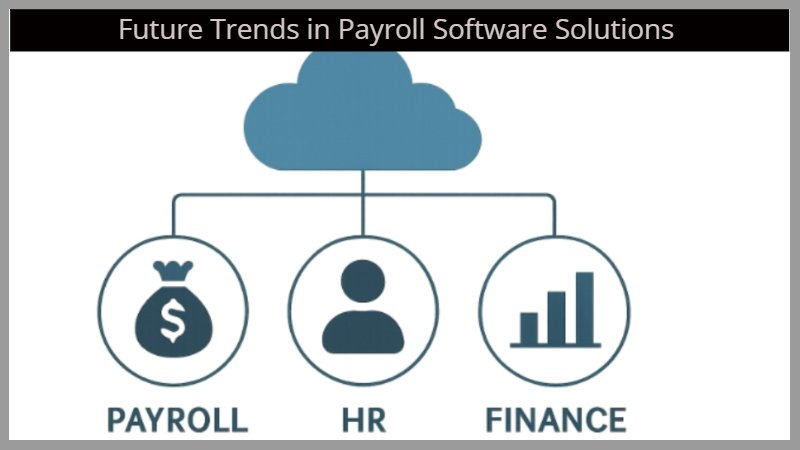
Integrating payroll systems with broader HR and finance solutions is critical for eliminating silos and streamlining business operations. Data flows seamlessly between recruiting, onboarding, time-tracking, payroll, and accounting functions in a unified system. This reduces redundant data entry, minimizes errors, and ensures that decision-makers have access to reliable, up-to-date information. As a result, integrated payroll platforms enhance cross-departmental collaboration and contribute to more strategic workforce planning.
Enhanced Compliance and Regulatory Monitoring
Staying on top of federal, state, and international payroll laws is a constant challenge for businesses. Today’s payroll systems include features that automatically update tax codes, labor requirements, and record-keeping guidelines, reducing the odds of compliance failures. Digital compliance tools ensure that companies have audit-ready documentation and can respond quickly to regulatory audits or inquiries. This integrated approach to compliance offers significant peace of mind, particularly for organizations operating in multiple jurisdictions.
Real-Time Payroll Analytics and Insights
Payroll software solutions are increasingly equipped with analytics dashboards. These dashboards provide real-time visibility into labor costs, workforce productivity, and compliance metrics.
These insights help HR and finance leaders monitor trends and forecast future payroll expenses. They also support informed adjustments to compensation strategies.
The shift to real-time analytics is helping organizations take a proactive approach to payroll management. It transforms payroll data into a powerful tool for achieving broader business objectives.
Conclusion
The payroll landscape is evolving rapidly. Businesses must embrace innovation and rethink their HR technology strategies.
AI, cloud systems, employee autonomy, and integrated platforms are transforming payroll. This shift creates both challenges and opportunities for organizations seeking efficiency and compliance.
By staying informed about emerging payroll trends, companies can invest strategically in technology. This helps them build streamlined, accurate, and employee-centric payroll experiences that create lasting competitive advantages.