
In today’s fast-paced world, reliable communication is critical for businesses, emergency services, and outdoor operations. While smartphones dominate personal communication, two-way radios remain the preferred choice for instant, secure, and uninterrupted connectivity—especially in challenging environments. If you’re looking for a practical and lightweight VHF portable radio, you can explore this option here: RadioRed a solid example of durability and efficiency for professional use.
Why Two-Way Radios Still Matter
Two-way radios offer several advantages over traditional communication tools. Unlike mobile phones, they don’t rely on cellular networks, making them dependable in remote areas or during emergencies.
Key Benefits:
Instant push-to-talk communication
No monthly service fees
Reliable in areas without cell coverage
Durable for harsh environments
Ideal for team coordination
These advantages make radios essential for industries such as logistics, hospitality, construction, and security.
Types of Radios You Should Know
Understanding different radio types is the first step toward making the right decision.
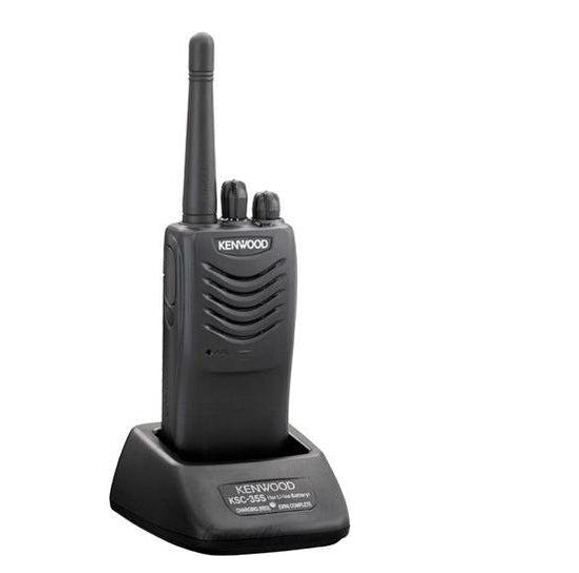
1. Portable Radios
Portable radios are compact, lightweight, and easy to use. They are perfect for daily operations in businesses like retail, event management, and private security.
They typically come with rechargeable batteries and user-friendly controls, making them a popular choice for teams that require constant communication.
2. Mobile Radios
Transportation companies, delivery services, and emergency responders commonly install mobile radios in their vehicles.
Advantages include:
Higher transmission power
Extended communication range
Connection to external antennas
3. Marine Radios
Marine radios are specifically designed for communication on water. They comply with maritime standards and are essential for safety at sea.
Key features:
Waterproof design
Access to emergency channels
Long-range communication
4. Airband Radios
Used in aviation, these radios operate on specific frequencies for communication between pilots and ground control.
They require precision, reliability, and adherence to strict regulations.
5. Intrinsically Safe Radios
These radios are designed for hazardous environments such as oil refineries, chemical plants, and mining operations.
Benefits include
Explosion-proof design
Certified safety standards
Reliable in extreme condition
Key Features to Consider Before Buying
Choosing the right radio depends on your specific needs. Here are the most important factors to evaluate:
Frequency: VHF vs UHF
VHF (136–174 MHz): Ideal for outdoor use with fewer obstacles
UHF (400–470 MHz): Better for indoor environments and urban areas
Range and Coverage
The communication range depends on terrain and obstacles:
Urban areas: 1–3 km
Open areas: up to 10 km or more
For larger coverage, you may need repeaters.
Durability and Build Quality
Look for radios with certifications such as
MIL-STD 810 (military-grade durability)
IP54 or higher (dust and water resistance)
Battery Life
Long battery life is crucial for uninterrupted communication. Many modern radios offer full-day usage on a single charge.
Additional Features
Modern radios come with advanced features such as
VOX (voice-activated transmission)
Channel scanning
DTMF signaling
Noise reduction technology
The Importance of Radio Accessories
Accessories can significantly improve the performance and convenience of your radio system.
Essential Accessories:
Headsets and earpieces for hands-free use
Extra batteries for long shifts
Multi-unit chargers for teams
High-quality antennas for better signal
Extending Coverage with Repeaters
Repeaters are crucial for large-scale operations where direct communication may not be enough.
How Repeaters Work:
They receive signals and retransmit them at a higher power, effectively extending the communication range.
Benefits:
Improved coverage in large areas
Better signal clarity
Essential for industrial facilities and large campuses
Latest Trends in Radiocommunication
Technology continues to transform the radio communication industry. Here are some of the latest advancements:
Digital Radios
Digital technology provides:
Clearer audio quality
Better spectrum efficiency
Enhanced security features
GPS Integration
Some radios now include GPS tracking, allowing real-time location monitoring—ideal for fleet management and security teams.
Hybrid Communication Systems
Modern systems can integrate traditional radio with internet-based communication, expanding flexibility.
Energy Efficiency
Newer models feature improved battery technology, offering longer usage times and faster charging.
Where to Buy Reliable Radios in Mexico
When purchasing communication equipment, it’s essential to choose a trusted supplier that offers genuine products and reliable support.
Platforms like RadioRed provide a wide selection of radios and accessories from leading brands such as Kenwood, ICOM, and Motorola, ensuring quality and performance for different industries.
Practical Tips Before Making a Purchase
To ensure you choose the best radio for your needs, consider the following:
Identify your primary use case
Evaluate the environment (indoor vs outdoor)
Determine the number of users.
Check compatibility with existing systems
Review warranty and support options.
Final Thoughts
Two-way radios remain one of the most reliable communication tools available today. Whether you need portable radios for everyday tasks or advanced systems for large-scale operations, there is a solution tailored to your needs.
Investing in modern, high-quality equipment ensures better performance, safety, and efficiency for your team. If you’re ready to upgrade your communication system, consider exploring this professional VHF portable radio solution here: radiored.com.mx a reliable option designed for demanding environments.