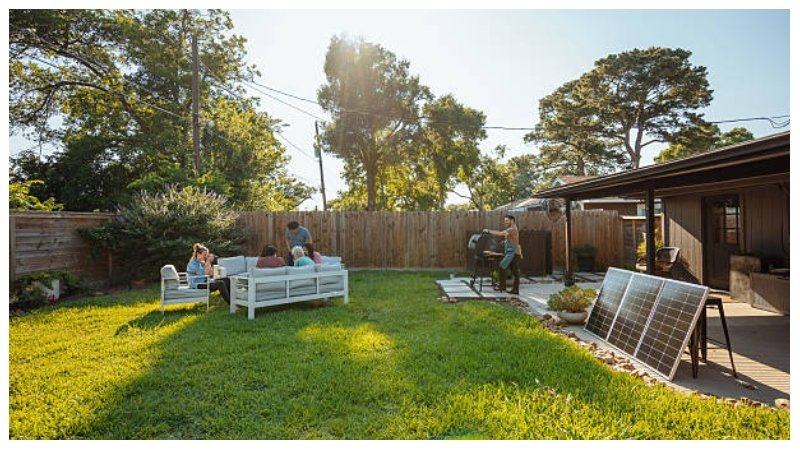
Most home improvements promise better aesthetics or increased value, but only a few genuinely change how you live day to day. A well-designed deck falls into that rare category. It is not just an addition to your home, it is a shift in how you experience your space, your routines, and even your downtime. Partnering with a trusted Kansas City deck builder ensures your deck is designed not just for looks, but for the way you actually want to live.
The difference between a deck that gets occasional use and one that becomes part of your daily life comes down to design, intention, and execution. Homeowners who approach it thoughtfully often find themselves using their outdoor space far more than they expected.
Why Outdoor Space Is No Longer Optional
In recent years, the idea of “usable living space” has expanded beyond interior walls. Homeowners are no longer satisfied with backyards that are simply decorative. They want environments that function as extensions of their kitchens, dining areas, and even workspaces.
A deck, when done right, becomes the bridge between indoors and outdoors. It creates a defined area that invites use rather than just observation. This is where thoughtful construction plays a critical role. Experienced teams like US Quality Construction understand that a deck is not just about materials or structure but about how people move, gather, and relax within that space.
The Shift From Occasional Use to Everyday Living
Many decks are underutilized because they are designed without a clear purpose. They might look appealing, but they lack the features that encourage regular use.
A deck that changes how you live is one that supports multiple daily activities. Morning coffee feels more intentional when there is a comfortable, well-positioned seating area. Casual dinners become easier when the deck is connected seamlessly to the kitchen. Even short breaks during the day feel more refreshing when there is an inviting outdoor spot just steps away.
This shift happens when the deck is designed with lifestyle in mind rather than as an afterthought.
Designing for Real Life, Not Just Appearances
A common mistake homeowners make is prioritizing visual appeal over functionality. While aesthetics matter, they should support how the space is actually used.
For example, a deck that faces direct sunlight all afternoon might look beautiful in photos but becomes uncomfortable in practice. Similarly, a layout that lacks defined zones can feel awkward when hosting guests or trying to relax.
A well-designed deck considers flow, comfort, and usability. It accounts for shade, seating arrangements, and accessibility. It feels intuitive rather than forced. These details may seem small individually, but together they determine whether the space becomes part of your routine.
The Role of Materials in Long-Term Enjoyment
Material selection is often framed as a durability decision, but it also impacts how often you use the space. Low-maintenance materials reduce the friction of ownership. When homeowners do not have to worry about constant upkeep, they are more likely to spend time enjoying the space.
Texture, temperature, and finish also influence comfort. Surfaces that stay cooler underfoot or resist wear over time contribute to a more inviting environment. These are the kinds of considerations that turn a deck from a visual feature into a lived-in space.
Creating a Space That Encourages Gathering
One of the most valuable aspects of a deck is its ability to bring people together. Whether it is a small family dinner or a casual get-together with friends, the right setup makes hosting feel natural rather than complicated.
This does not require elaborate features. Often, it is about creating a sense of openness while still maintaining structure. Built-in seating, subtle lighting, and thoughtful spacing can make a significant difference. The goal is to create a space where people want to linger.
When a deck is designed with social interaction in mind, it becomes more than just an outdoor platform. It becomes a central part of how the home is experienced.
Connecting Indoor and Outdoor Living
The most successful decks feel like a continuation of the home rather than a separate area. This connection is achieved through layout, materials, and accessibility.
Wide entry points, consistent design elements, and visual continuity all help blur the line between inside and outside. When the transition feels seamless, the deck naturally becomes part of everyday movement within the home.
This integration is often what transforms a deck from a “nice addition” into an essential part of the living space.
Thinking Beyond the Immediate Build
A deck is not just about the present moment. It is an investment in how your lifestyle can evolve. As needs change, the space should still feel relevant and adaptable.
Planning for flexibility, whether through modular furniture, adaptable layouts, or future upgrades, ensures that the deck continues to serve its purpose over time. This forward-thinking approach is what separates a temporary improvement from a lasting one.
The Real Value of a Well-Designed Deck
While increased property value is often part of the conversation, the true return on investment is measured in daily use and enjoyment. A deck that becomes part of your routine offers value that goes beyond numbers.
It creates opportunities to spend more time outdoors, to connect with others, and to enjoy your home in new ways. These are benefits that cannot be easily quantified but are immediately felt.
Final Thoughts
A deck has the potential to be one of the most impactful upgrades you can make to your home, but only if it is approached with intention. The goal is not just to build something that looks good, but to create a space that enhances how you live.
When design, functionality, and craftsmanship come together, the result is more than an outdoor structure. It is a lifestyle shift that makes your home feel larger, more flexible, and more enjoyable every single day.