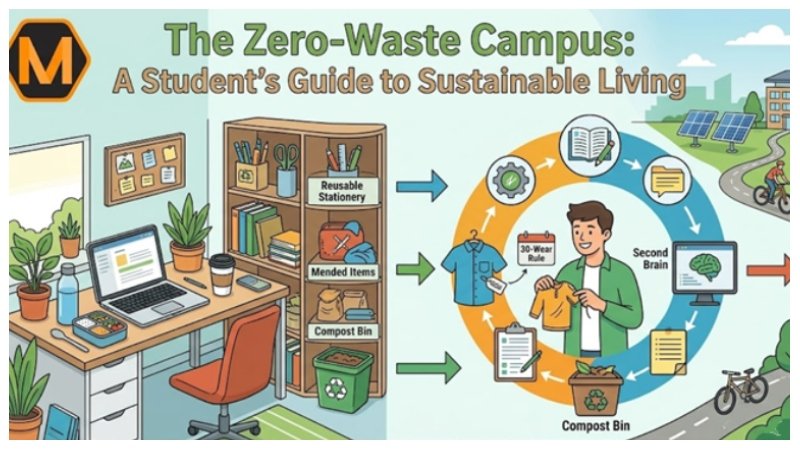
The modern university campus is often a whirlwind of disposable coffee cups, discarded lecture notes, and a “buy-it-now” culture fueled by convenience. However, as we navigate 2026, a significant shift is occurring. Students are no longer just passive consumers; they are becoming the architects of a circular economy. Transitioning to a zero-waste lifestyle as a student isn’t about achieving a state of absolute perfection where you produce nothing. Instead, it is about intentionality—redesigning your daily habits to ensure that resources are recirculated rather than sent to a landfill. From the dining hall to the dormitory, the opportunities to minimize your ecological footprint are immense, provided you have a strategic plan that balances personal ethics with academic rigor.
Living sustainably on campus often requires navigating a complex web of university policies and local environmental regulations. Whether you are advocating for better composting facilities or researching the legalities of campus plastic bans, academic pressure can mount quickly. Navigating these dense regulatory frameworks often requires specialized knowledge, which is why many students seek Law Assignment Help from professional platforms like myassignmenthelp to ensure their research on environmental statutes is both accurate and high-reaching. Understanding the legal backbone of sustainability helps students move beyond simple lifestyle changes and toward systemic advocacy that can transform an entire institution’s carbon footprint. This intersection of personal responsibility and legal literacy is the foundation of a truly “green” education.
The Philosophy of the Circular Dorm Room
The traditional college experience is frequently marked by “dorm hauls”—massive shopping trips for cheap, plastic-heavy goods that rarely last beyond a single semester. To build a zero-waste sanctuary, you must adopt a “quality over quantity” mindset. Start by auditing your current waste stream. Are you throwing away food scraps? Is your desk cluttered with single-use stationery? By implementing a “Second Brain” digital system for your notes, you can virtually eliminate paper waste. Furthermore, sourcing your furniture from local student cooperatives or second-hand marketplaces not only saves money but prevents perfectly functional items from entering the waste cycle.
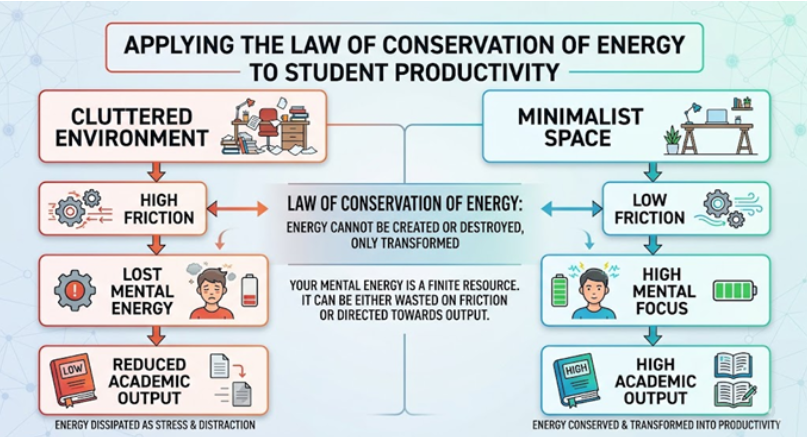
Sustainable living isn’t just about physical objects; it’s about managing the energy and effort you put into your academic life. When you streamline your study habits and reduce the “noise” of a cluttered environment, you are essentially applying the Law of Conservation of Energy by ensuring your mental focus is transformed into productive output rather than being dissipated by the friction of a disorganized lifestyle.
1. Culinary Sustainability: Low-Waste Meal Prepping
One of the largest contributors to campus waste is the “grab-and-go” culture of dining. Plastic-wrapped sandwiches and disposable cutlery add up to thousands of tons of waste annually. Transitioning to a sustainable diet involves more than just eating plants; it involves auditing the packaging that brings that food to your plate.
- The Bulk-Buying Strategy: Invest in a few high-quality glass jars and visit local bulk stores. Buying grains, nuts, and pasta without packaging is often 20% cheaper than buying branded, bagged versions.
- The Reusable Kit: Keep a small “zero-waste kit” in your backpack—a bamboo spork, a cloth napkin, and a stainless steel water bottle. This simple habit can prevent hundreds of pieces of plastic from reaching the ocean every year.
- Composting in Small Spaces: Even in a cramped dorm, bokashi bins or small electric composters can turn food scraps into nutrient-rich soil for campus gardens, closing the nutrient loop.
| Item Category | High-Waste Standard | Zero-Waste Alternative | Long-term Savings |
| Hydration | Plastic Water Bottles | Stainless Steel Insulated Bottle | ~$300/year |
| Lunch | Disposable Plastic Wrap | Beeswax Wraps / Silicone Bags | ~$50/year |
| Coffee | Paper Cups with Plastic Lids | Collapsible Silicone Cup | ~$100/year (with discounts) |
| Grocery | Plastic Produce Bags | Mesh Organic Cotton Bags | Minor but impactful |
2. Digital Minimalism: The Invisible Carbon Footprint
In 2026, we must recognize that waste isn’t always something we can touch. Our digital habits—storing thousands of unread emails, streaming in 4K unnecessarily, and keeping 50 browser tabs open—consume massive amounts of energy at data centers. For a student, the “digital clutter” of disorganized folders and excessive cloud storage is a form of environmental friction.
- Inbox Zero, Carbon Zero: Periodically deleting old files and unsubscribing from junk mail reduces the cooling load on servers. Every email deleted saves a tiny but measurable amount of carbon.
- Sustainable Tech Procurement: Instead of upgrading your phone every year, look for modular electronics that allow you to replace a battery or a screen without tossing the entire device. This reduces e-waste, which is currently the fastest-growing waste stream globally.
- The Cloud Audit: High-resolution video storage is one of the most energy-intensive digital habits. Moving your static academic archives to physical external drives can reduce your ongoing reliance on server-side energy.
3. Ethical Fashion and the Campus “Capsule”
The pressure to keep up with fast-fashion trends is a major hurdle for student sustainability. However, the “Low-Buy” movement is gaining traction across global campuses. The fashion industry is responsible for significant water pollution and carbon emissions, much of which is driven by the rapid turnover of student wardrobes.
- Clothing Swaps: Organize a “Swap-Not-Shop” event in your common room. It’s a great way to refresh your wardrobe without spending a dime or supporting exploitative manufacturing processes.
- The 30-Wear Rule: Before buying any new item of clothing, ask yourself if you will wear it at least 30 times. If the answer is no, it’s not a sustainable purchase.
- Mending as a Skill: Learning basic sewing skills to repair a loose button or a small tear can extend the life of your garments by years. In a zero-waste campus culture, a visible mend is a badge of honor.
4. Beyond Individual Action: Systemic Advocacy
While personal habits are vital, the “Zero-Waste Campus” title is only earned when the university itself changes its procurement and waste management systems. This is where your education becomes your greatest tool. By studying environmental law and policy, you can understand how to draft petitions that actually get noticed by university boards. Understanding the intersection of commercial law and environmental ethics allows students to hold campus vendors accountable for their packaging choices.
Individual actions act as a “proof of concept,” but systemic change requires a deep dive into institutional structures. Students who master the art of legal research can identify loopholes in campus waste contracts and propose more sustainable alternatives that align with international ESG (Environmental, Social, and Governance) standards.
5. Managing Academic Waste: The Paperless Transition
Even in a digital age, many colleges still rely on excessive printing. To lead a zero-waste academic life, you must digitize your workflow from the ground up.
- Digital Annotations: Use a tablet and stylus for all your readings. Not only does this save thousands of pages of paper, but it makes your notes searchable and easier to organize.
- The “One-In, One-Out” Rule for Supplies: Before buying a new pack of pens or highlighters, ensure you have completely used the ones you already own. Better yet, switch to refillable fountain pens and glass-bottled ink to eliminate plastic pen casings.
- Eco-Friendly Printing: If printing is unavoidable, use 100% post-consumer recycled paper and print double-sided in “draft mode” to save ink.
6. The Social Component: Building a Community
Sustainability can feel isolating if you are doing it alone. Building a “Zero-Waste Club” or participating in campus-wide “Green Weeks” creates a support system that keeps you motivated. Share your “Failures” as much as your “Wins”—sustainability is a learning process, not a destination. Whether it’s sharing a recipe for homemade laundry detergent or coordinating a trip to a local composting site, community engagement multiplies the impact of every individual choice.
Final Thoughts on Sustainable Success
Adopting a zero-waste lifestyle is a journey of continuous improvement. It forces you to look at the world differently—not as a collection of disposable objects, but as a series of interconnected systems. By optimizing your physical space, your digital habits, and your academic focus, you create a lifestyle that is not only better for the planet but more rewarding for your personal growth. The skills you learn in managing a zero-waste dorm room—discipline, research, and resourcefulness—are the exact skills that will serve you in your professional career, especially as industries move toward a greener future.
Frequently Asked Questions
How can I start a zero-waste lifestyle on a tight student budget?
Focus on “refusing” and “reducing” before buying new eco-friendly gadgets. Utilizing what you already own, shopping at second-hand markets, and buying grains or pasta in bulk are the most effective ways to cut waste while actually saving money on monthly expenses.
Does digital clutter really affect my carbon footprint?
Yes. Every email stored and every high-definition video streamed requires energy-intensive data centers to run and stay cool. By deleting unnecessary files and unsubscribing from junk mail, you reduce the digital demand on these servers and decrease your personal energy impact.
What is the best way to handle food waste in a small dorm room?
If your campus doesn’t offer a composting program, consider a “Bokashi” bin or a small, sealed countertop composter. These systems use fermentation to break down scraps without the foul odors associated with traditional bins, making them perfect for compact living spaces.
How can I influence my university to adopt greener policies?
Collective action is key. Start by joining or forming a student sustainability committee to draft formal proposals for the administration. Highlighting the long-term financial savings of energy efficiency and waste reduction often makes a more compelling case to university boards than environmental arguments alone.
About The Author
Jack Williams is an academic consultant and sustainability advocate dedicated to enhancing the modern student experience. Representing myassignmenthelp, he specializes in bridging the gap between rigorous educational demands and a balanced, eco-conscious lifestyle. When he isn’t researching institutional policy shifts, Jack explores the intersection of digital minimalism and cognitive productivity.